Tennant 5680 Parts Manual: A Comprehensive Guide
This manual streamlines Tennant 5680 troubleshooting, offering vital insights and access to YouTube tutorials for maintenance and repair guidance.
The Tennant 5680 represents a robust and reliable solution for industrial floor cleaning, widely utilized across diverse sectors like manufacturing, warehousing, and distribution centers. Understanding its intricate components and operational mechanics is paramount for maximizing its performance and longevity. This machine is designed for high-efficiency scrubbing and boasts features that enhance operator comfort and productivity.
However, even the most durable equipment requires diligent maintenance and occasional repairs. This is where a comprehensive parts manual becomes indispensable. It serves as a critical resource for identifying the correct replacement parts, understanding assembly procedures, and effectively troubleshooting potential issues. Accessing support channels, including official Tennant resources and helpful YouTube video tutorials, further empowers users to maintain optimal functionality.
This guide aims to provide a foundational understanding of the Tennant 5680, emphasizing the importance of the parts manual as a central tool for successful operation and upkeep. Proper utilization of this manual, coupled with available online documentation, ensures efficient and cost-effective maintenance practices.
Understanding the Parts Manual
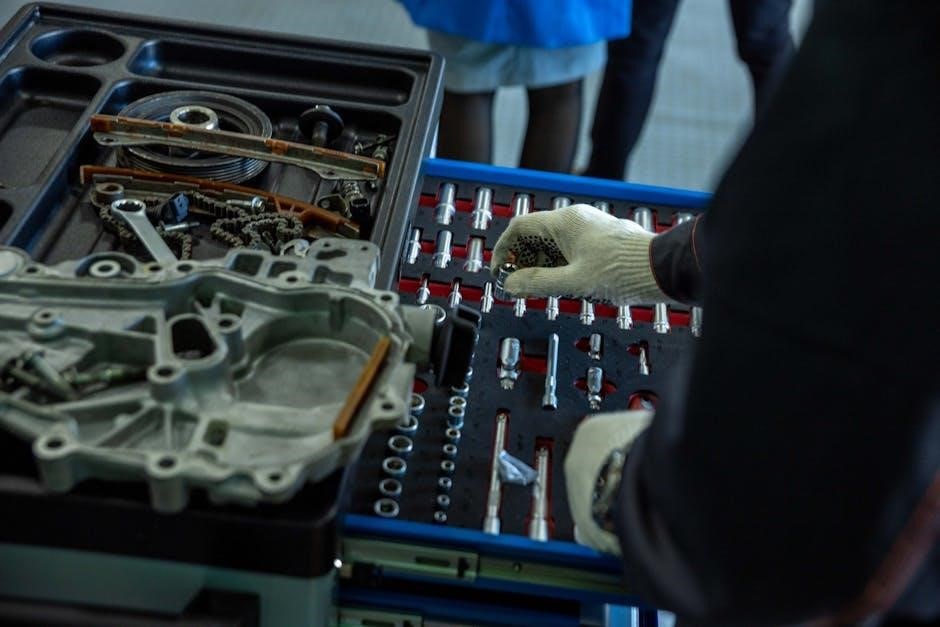
The Tennant 5680 Parts Manual is meticulously organized to facilitate efficient part identification and ordering. It typically features detailed exploded-view diagrams, showcasing each component’s precise location and relationship to others within the machine. Each part is assigned a unique part number, crucial for accurate ordering and preventing compatibility issues.
Beyond part numbers, the manual often includes detailed specifications, material compositions, and relevant notes regarding installation or usage. Familiarizing yourself with the manual’s indexing system – often categorized by system (engine, hydraulic, electrical) – is key to quickly locating specific components.
Furthermore, leveraging online documentation and YouTube tutorials alongside the manual can significantly enhance understanding. These resources often visually demonstrate part locations and replacement procedures. Remember to always cross-reference part numbers and consult official Tennant support channels for clarification when needed, ensuring correct repairs and maintaining machine integrity.

Key Components & Their Functions
The Tennant 5680 relies on a complex interplay of engine, hydraulic, and electrical systems; understanding each component’s role is vital for effective maintenance.
Engine & Drive System
The Tennant 5680’s engine and drive system are central to its performance, demanding meticulous attention during maintenance and repair. This section details key components, including the engine itself – typically a diesel or alternative fuel model – and its associated fuel system.
Understanding the drive system requires examining the transmission, axles, and wheels. Regular inspection of belts, hoses, and filters is crucial for preventing downtime. The parts manual provides exploded views and detailed diagrams of these assemblies, facilitating accurate identification of replacement parts.
Troubleshooting often involves checking engine oil levels, coolant, and air filter condition. Drive system issues may manifest as unusual noises, slipping, or reduced speed. Utilizing the manual’s diagnostic charts helps pinpoint the source of the problem, whether it’s a faulty sensor, worn drive belt, or a more significant mechanical failure. Proper lubrication is also paramount for longevity.
Hydraulic System Overview
The Tennant 5680 relies heavily on its hydraulic system for functions like lifting, steering, and brush operation. A thorough understanding of this system is vital for effective maintenance and repair, as detailed within the parts manual. Key components include the hydraulic pump, reservoir, valves, cylinders, and hoses.
The manual provides schematics illustrating the flow of hydraulic fluid and the location of each component. Regular inspection for leaks is paramount, as even small leaks can lead to reduced performance and potential damage. Identifying the correct replacement hoses and fittings using the parts manual’s diagrams is crucial.
Troubleshooting hydraulic issues often involves checking fluid levels, inspecting filters, and testing valve operation. Common problems include pump failure, cylinder leaks, and clogged filters. The manual’s diagnostic guides assist in pinpointing the root cause, ensuring efficient repairs and minimizing downtime.
Electrical System Breakdown
The Tennant 5680’s electrical system powers various functions, including the control panel, motors, and safety features. The parts manual offers a detailed breakdown of this complex network, essential for diagnosing and resolving electrical malfunctions. Key components include the battery, wiring harnesses, fuses, relays, and the control module;
Detailed wiring diagrams within the manual are invaluable for tracing circuits and identifying potential shorts or open connections. Proper use of a multimeter, guided by the manual’s instructions, is crucial for accurate testing. Always disconnect the battery before performing any electrical work to prevent accidental shorts and potential injury.
Common electrical issues include blown fuses, faulty relays, and damaged wiring. The manual provides troubleshooting steps for each scenario, including identifying the correct replacement parts. Understanding the control module’s functions and error codes, as outlined in the manual, is vital for complex repairs.

Troubleshooting Common Issues
This section utilizes the Tennant 5680 parts manual to simplify diagnostics, addressing error codes, hydraulic leaks, and electrical malfunctions for efficient repairs.
Identifying Error Codes
Decoding error codes is crucial for efficient Tennant 5680 troubleshooting. The parts manual, alongside official Tennant support channels and YouTube resources, provides a comprehensive list of these codes and their corresponding meanings. These codes pinpoint specific malfunctions within the machine’s systems – engine, hydraulics, or electrical components – allowing technicians to quickly isolate the problem area.
Understanding the error code system eliminates guesswork, reducing diagnostic time and minimizing downtime. The manual details not just the code itself, but also potential causes and recommended solutions. For instance, a specific hydraulic error code might indicate low fluid levels, a faulty sensor, or a pump issue.
YouTube tutorials often demonstrate how to access and interpret these codes using the Tennant 5680’s onboard diagnostic system. Referencing both the manual and these visual guides ensures accurate identification and a clear path towards resolution. Ignoring error codes can lead to further damage and more extensive repairs, so prompt and accurate identification is paramount.
Addressing Hydraulic Leaks
Hydraulic leaks in the Tennant 5680 significantly impact performance and require immediate attention; The parts manual details the hydraulic system’s components – pumps, valves, cylinders, and hoses – and provides exploded views to pinpoint leak sources. Initial inspection should focus on hose connections, fittings, and cylinder seals, common leak points.
The manual outlines proper tightening torques for fittings to prevent over-tightening and damage. For hose leaks, replacement is often necessary, and the manual specifies the correct hose type and dimensions. Cylinder seal replacement requires specialized tools and procedures detailed within the guide. YouTube tutorials can visually demonstrate these repair steps.
Always depressurize the hydraulic system before attempting any repairs. The manual emphasizes safety precautions, including wearing appropriate protective gear; Ignoring leaks can lead to fluid loss, reduced cleaning efficiency, and potential environmental hazards. Prompt repair, guided by the manual and supplemental online resources, ensures optimal machine operation.
Resolving Electrical Malfunctions
Electrical issues on the Tennant 5680 can range from simple fuse replacements to complex control system diagnostics. The parts manual provides detailed wiring diagrams, component locations, and troubleshooting charts to assist in identifying the root cause. Begin by checking fuses and circuit breakers, referencing the manual’s electrical system breakdown for specific amperage ratings.
The manual details how to test components like solenoids, relays, and sensors using a multimeter. YouTube video tutorials offer visual guidance on performing these tests. Inspect wiring harnesses for damage, corrosion, or loose connections. Pay close attention to the battery and charging system, as voltage fluctuations can cause erratic behavior.
Always disconnect the battery before working on the electrical system. The manual stresses safety precautions, including proper grounding techniques. Complex malfunctions may require specialized diagnostic tools and expertise. Utilizing the manual alongside online resources ensures efficient and safe resolution of electrical problems, restoring optimal machine functionality.

Maintenance & Repair Procedures
The manual details scheduled maintenance, wear part replacement, and repair steps, complemented by YouTube tutorials for visual guidance and efficient Tennant 5680 upkeep.
Scheduled Maintenance Checklist

Regular preventative maintenance is crucial for maximizing the lifespan and performance of your Tennant 5680. This checklist outlines key tasks to perform at specified intervals, ensuring optimal operation and minimizing costly downtime.
Daily Checks: Before each use, inspect fluid levels (hydraulic, engine oil, coolant), check for leaks, and verify tire pressure. Ensure all safety devices are functioning correctly.
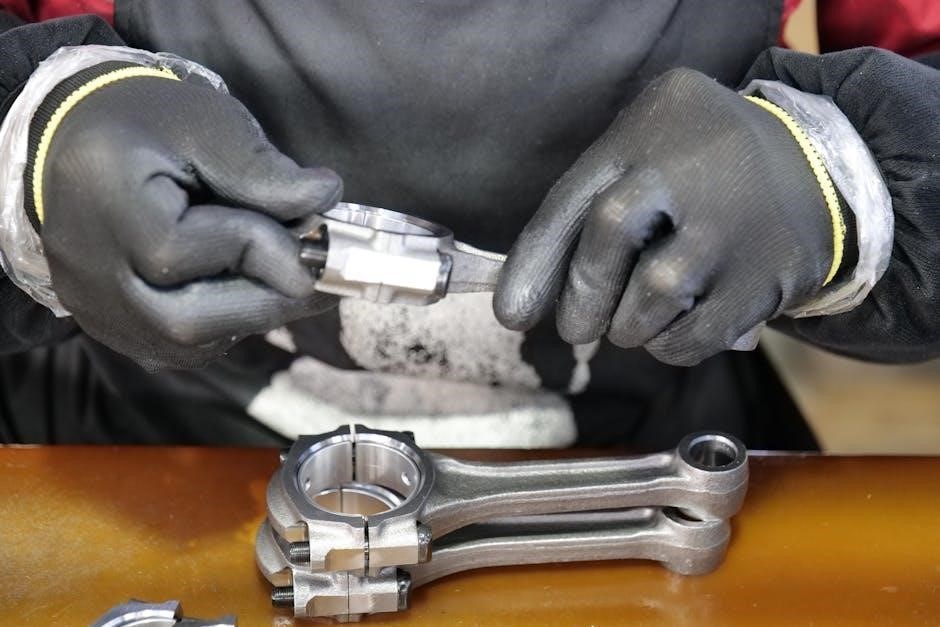
Weekly Maintenance: Thoroughly clean the machine, including filters and cooling fins. Inspect brushes, squeegees, and vacuum components for wear and tear. Lubricate moving parts as indicated in the manual.
Monthly Servicing: Change engine oil and filters. Inspect and adjust drive belts. Check battery connections and electrolyte levels. Examine the hydraulic system for any signs of damage or wear.
Annual Overhaul: Perform a comprehensive inspection of all systems, including the engine, hydraulics, electrical components, and chassis. Replace worn or damaged parts. Consult the parts manual for accurate component identification and ordering. Utilize YouTube video tutorials for guidance on complex procedures.
Remember to document all maintenance activities for tracking and warranty purposes.
Replacing Common Wear Parts
Over time, certain components of the Tennant 5680 will naturally wear and require replacement. This section details procedures for substituting frequently failing parts, ensuring continued efficient operation.
Brush Replacement: Regularly inspect brushes for wear. Refer to the parts manual for the correct brush type and installation instructions. Disconnect the power before removing and installing brushes.
Squeegee Blades: Replace squeegee blades when they lose their flexibility or become damaged, impacting cleaning performance. Ensure proper alignment during installation for optimal water pickup.
Filters (Air, Oil, Hydraulic): Change filters according to the scheduled maintenance checklist. Use only Tennant-approved filters to maintain system integrity.
Drive Tires: Inspect drive tires for wear and tear. Replace when tread is significantly worn, affecting traction. Consult the parts manual for compatible tire specifications.
Utilize YouTube video tutorials as visual aids for complex replacements. Always prioritize safety and disconnect power before performing any repairs.

Resources & Support
Access official Tennant support, helpful YouTube video tutorials, and comprehensive online documentation for your 5680, ensuring efficient troubleshooting and maintenance.
Tennant Official Support Channels
For direct assistance with your Tennant 5680, several official support channels are readily available. Tennant’s official help center provides a wealth of information, including product tips, usage guidance, and answers to frequently asked questions. This centralized resource is designed to empower users with self-service solutions, minimizing downtime and maximizing operational efficiency.
Beyond the help center, Tennant offers dedicated support teams accessible through various methods. You can connect with Tennant representatives via phone or email, allowing for personalized assistance tailored to your specific needs. These channels are staffed by knowledgeable professionals equipped to address complex issues and provide expert advice.
Furthermore, Tennant’s online documentation portal hosts a comprehensive library of manuals, schematics, and technical specifications. This resource is invaluable for in-depth troubleshooting and repair procedures. Utilizing these official channels ensures you receive accurate, reliable support directly from the manufacturer, safeguarding the performance and longevity of your Tennant 5680.
YouTube Video Tutorials
Enhance your understanding of the Tennant 5680 with a curated selection of helpful YouTube video tutorials. These videos offer visual guidance on various aspects of the machine, from basic functionality overviews to step-by-step repair procedures. Accessing these resources can significantly simplify maintenance tasks and troubleshooting efforts.
The YouTube channel provides a diverse range of content, catering to both novice and experienced users. You’ll find tutorials demonstrating common maintenance procedures, explanations of key features, and solutions to frequently encountered problems. These visual aids complement the parts manual, providing a more dynamic learning experience.
To fully utilize these resources, ensure you’re logged into your YouTube account. This allows you to subscribe to the Tennant channel, create personalized playlists, and access your viewing history. Downloading the YouTube app for your smartphone provides a richer viewing experience, enabling on-the-go access to valuable support materials. Explore the channel today and unlock a wealth of knowledge!
Accessing Online Documentation
Beyond the physical parts manual, Tennant provides extensive online documentation to support your 5680. This digital resource offers a convenient and readily available source of information, accessible from any device with an internet connection. Explore detailed diagrams, parts lists, and troubleshooting guides to streamline your maintenance and repair processes.
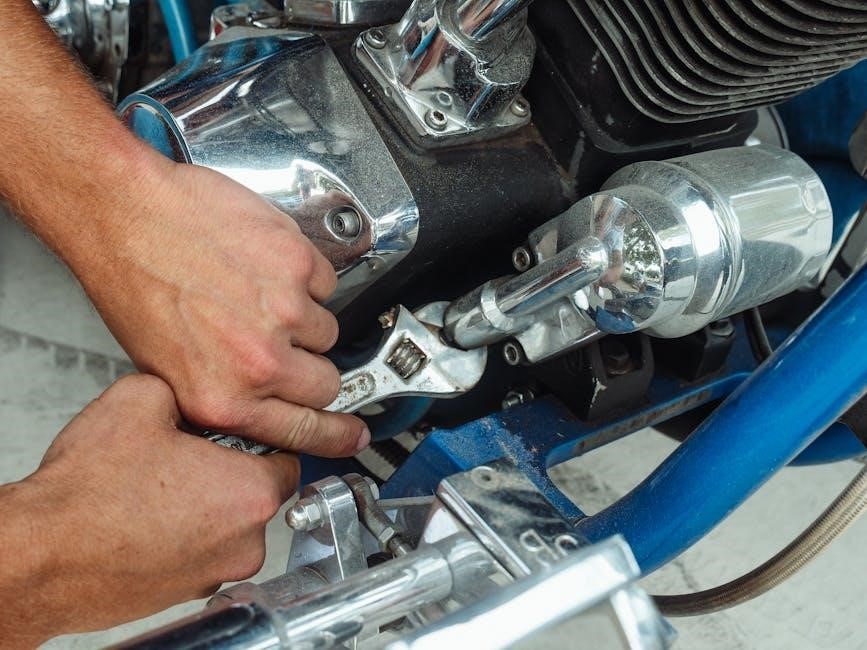
The official Tennant support website serves as a central hub for all documentation related to the 5680. Here, you can find frequently asked questions, technical specifications, and downloadable resources. This online platform is continuously updated with the latest information, ensuring you have access to the most current data.
Utilizing online documentation complements the physical manual, offering a more comprehensive support system. Whether you need to identify a specific part number or diagnose an issue, the online resources provide the tools you need. Remember to regularly check for updates to stay informed about new features and best practices for maintaining your Tennant 5680.